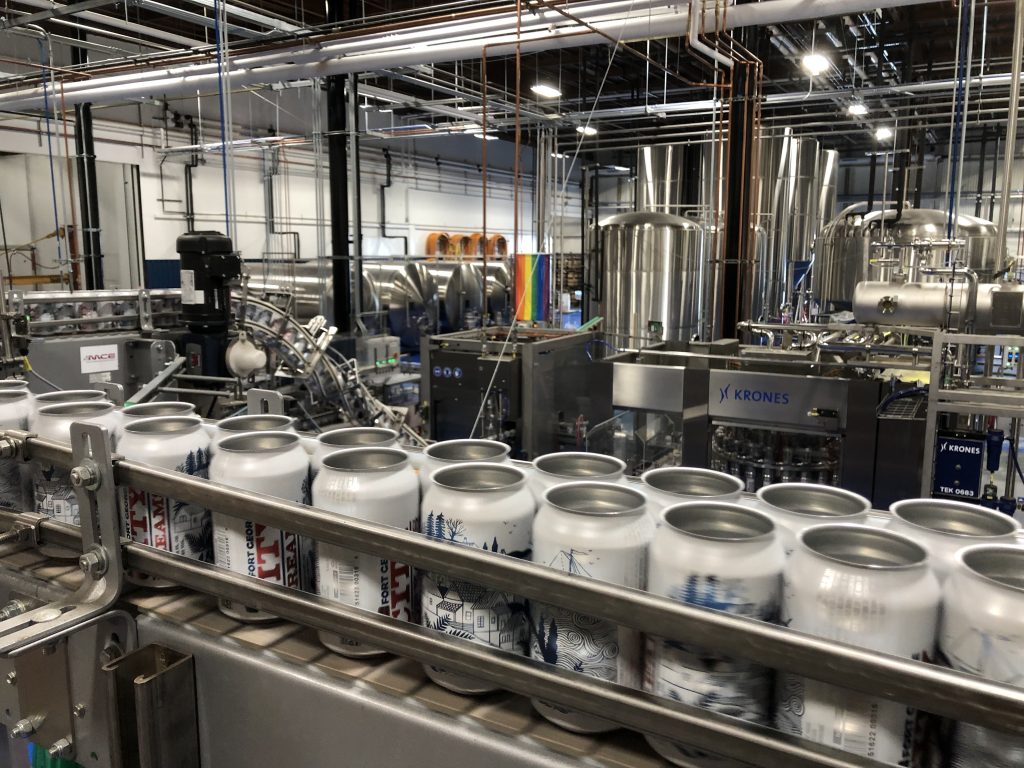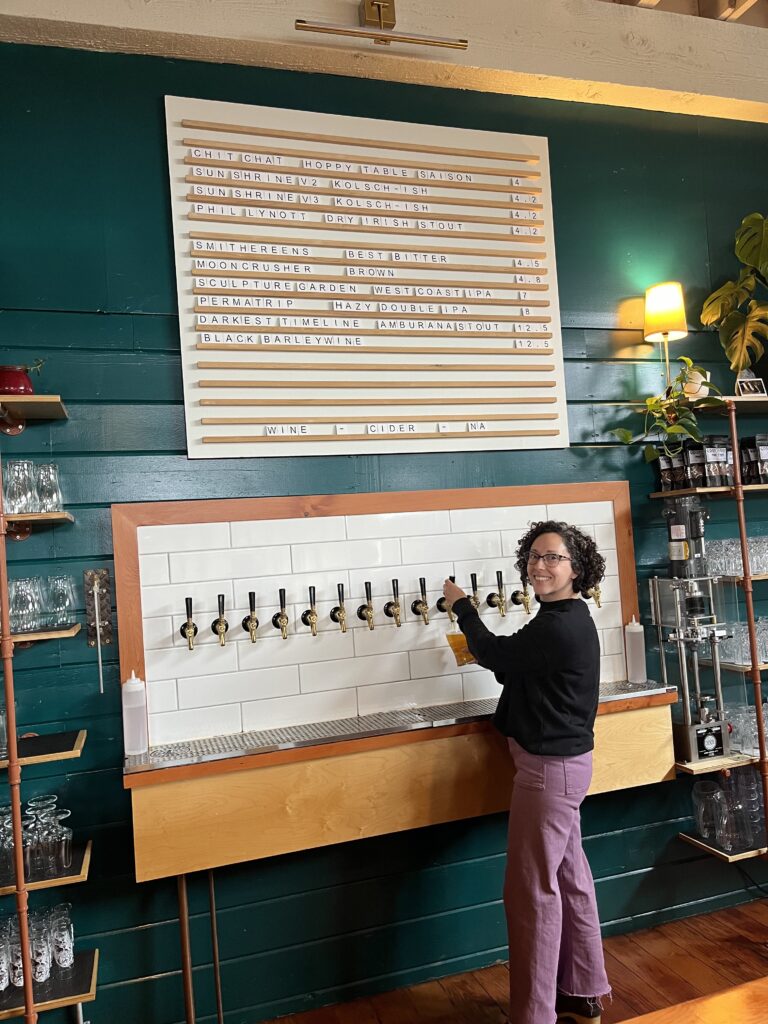
North Coast craft breweries are bracing for potential impacts from tariffs on imported steel and aluminum.
The result of such a move, brewery owners and others say, will be higher costs for aluminum cans, steel kegs, tanks and other brewing raw materials and equipment.
The 25 percent blanket tariffs announced by President Trump went into effect on March 4.
Unless the White House ends its trade wars, some breweries may have no choice but to pass some of the added costs on to consumers.
That could mean paying more for that pint.
“Nobody wants to raise prices, but you can only absorb so much,” said Erik Svendsen, owner of North Jetty Brewing in Seaview.
Anticipating higher wholesale prices, Svendsen ordered a shipment of cans recently, but the brewery lacks the space to stock up further.
Over the years, breweries have overwhelmingly shifted away from bottles. Some 75 percent of craft beer today is packaged in aluminum cans, according to the Brewers Association, a national trade group.
Canada is the biggest outside source of aluminum for the United States, according to federal statistics, but our northern neighbor has been targeted by the tariffs with no exemptions.
In Astoria, Fort George Brewery also gets malt and barley from Canada. Those prices would likely shoot up, too.
Colin Cummings, Fort George’s supply chain manager, anticipates an overall 5 to 10 percent cost hike but says there’s no way to know for sure until the tariffs kick in.
“It’s wait and see,” he said. “We will notice it, but it’s not going to make or break our finances. It’ll squeeze smaller breweries and small projects.”
The craft brewing industry operates on narrow profit margins. Breweries that managed to weather the pandemic – and a crushing loss of taproom sales – are now about to get hit again.
The new threat comes as the number of craft breweries in the U.S. declined for the first time in nearly two decades and overall sales flattened. Nagging inflation continues to batter consumers as well, making retail price hikes a tough call.
Canada is also the largest supplier of steel to the U.S., followed closely by Mexico, another tariff target.
Stainless steel is integral to the industry, used in virtually every part of the brewing process. Unless American companies expand production, brewery expansions or improvements could cost considerably more.
Svendsen hopes cooler heads will prevail, averting a full-out trade war.
“Hopefully, the saber rattling doesn’t get too carried away,” he said.